PE Where Sweating is Good
As an embroidery designer and product reviewer, I’ve evaluated countless machine embroidery designs. PE Where Sweating is Good stands out for its playful tone and clear visual identity. It’s a design that feels like it was made for real-world use—whether it’s on a custom tote bag, a sweatshirt, or a patch for a teacher’s gear. But like any design, it has its strengths and limitations. Here’s my take on how it performs in practical embroidery scenarios.
The First Impression: A Design That Speaks to Teachers and Students
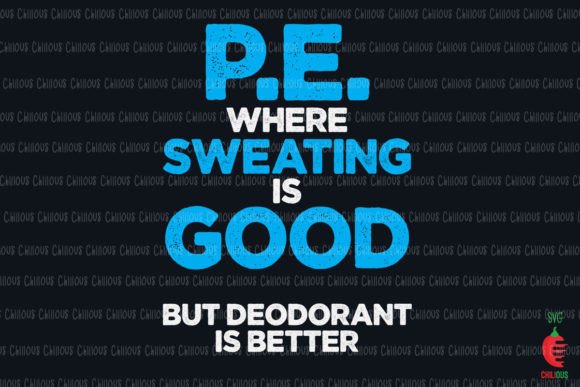
From the moment you open PE Where Sweating is Good, it exudes a lighthearted, educational vibe. The layout is clean, with a bold font that’s easy to read and visually engaging. The theme is unmistakably tied to physical education, making it ideal for teachers, students, and anyone who appreciates a good inside joke about the gym. The design’s simplicity makes it versatile, but it also hints at potential complexity in execution, especially when working with smaller details.
It’s not overly intricate, which is a relief for those looking for a straightforward embroidery file. The shape is well-balanced, and the overall composition feels intentional. This makes it a strong candidate for custom apparel, baby items, or even as a decorative element on a holiday gift.
Real-World Embroidery Use: What Works and What Doesn’t
When testing PE Where Sweating is Good on different fabrics, I found it works best on medium-weight materials like cotton, canvas, and light denim. On thin or stretchy fabrics, the design can look slightly distorted, especially if the hoop size isn’t appropriate. For example, using it on a baby onesie might require careful attention to stabilizer use and stitch density to prevent puckering or distortion.
The design is well-suited for tote bags, sweatshirts, and aprons. It adds a fun touch without overwhelming the garment. However, on darker fabrics, the thread color contrast becomes crucial. If the design is meant to stand out, choosing a bright or contrasting thread color will make all the difference.
One area where PE Where Sweating is Good could be tricky is on curved surfaces, such as caps or hats. The design’s straight lines may not conform as smoothly as needed, requiring some adjustment in placement or stitching technique. Similarly, small text or detailed corners might need extra care to ensure clarity after stitching.
Where to Use It Carefully: Fabric and Design Considerations
While PE Where Sweating is Good is a great design for many applications, there are situations where it requires more attention. Small hoop sizes, for instance, can limit the ability to stitch the full design without re-hooping. This is something to keep in mind if you’re working on a compact item like a patch or a keychain.
Textured fabrics, such as fleece or knits, can also affect the final appearance. The design may not sit as flat or crisp as it would on a smooth fabric. In such cases, using a proper stabilizer and adjusting the stitch density can help maintain the design’s integrity.
For commercial projects, it’s important to verify licensing before selling finished products or digital files. While the design seems to be intended for personal and small business use, confirming this directly with the seller is always a good idea.
Visual Appeal and Customer Perception
PE Where Sweating is Good has a clear visual personality. It’s not subtle, but that’s part of its charm. It communicates a message that’s immediately recognizable, which is great for handmade products or personalized gifts. Customers often respond positively to designs that have a strong, identifiable theme, and this one fits that bill.
When used correctly, it can elevate a simple item into a standout piece. Whether it’s a custom embroidered sweatshirt for a PE teacher or a holiday gift for a school staff member, the design adds value and personality. It also helps build brand consistency for craft businesses that focus on teacher-themed merchandise.
However, if the design is poorly executed—such as with incorrect thread colors or improper hoop sizing—it can detract from the overall quality of the finished product. This is why testing the design on scrap fabric before committing to a client project is always a smart move.
Practical Tips for Embroidery Designers and Crafters
If you’re planning to use PE Where Sweating is Good in your work, here are a few practical tips:
- Test on scrap fabric first to see how the design looks and stitches on your chosen material.
- Check thread color contrast to ensure visibility, especially on dark or patterned backgrounds.
- Review stitch density to avoid issues with fabric puckering or thread breakage.
- Confirm hoop size to ensure the entire design fits comfortably without re-hooping.
- Inspect small details like lettering or corners for clarity after stitching.
- Use proper stabilizer for delicate or stretchy fabrics to maintain the design’s shape.
- Compare light and dark fabric backgrounds to determine the best thread color for your project.
- Verify licensing before selling finished items or digital products to avoid legal issues.
These steps can help ensure that PE Where Sweating is Good turns out beautifully, whether you’re making a custom tote bag for a client or adding it to your Etsy listings.
Final Thoughts: A Fun Design with Real Potential
PE Where Sweating is Good is a design that brings a smile to the face of anyone who loves the world of physical education. It’s not perfect for every project, but when used appropriately, it can add a unique and meaningful touch to a wide range of embroidery projects. From personalized gifts to commercial merchandise, it has the potential to become a staple in your design library.
As with any machine embroidery design, the key to success lies in understanding its strengths and limitations. With a little care and attention, PE Where Sweating is Good can become a valuable addition to your craft business, helping you create memorable, high-quality handmade products that resonate with your audience.